Perspective
Bespoke website vs template website — which is better?
01 October 2026 · 7 min
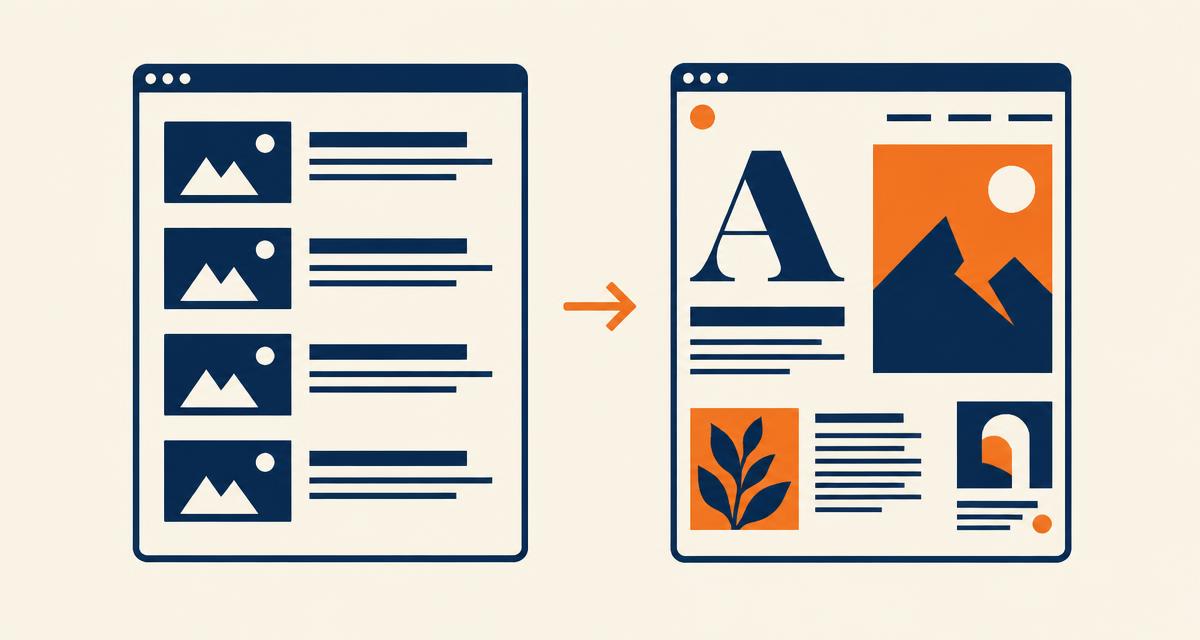
Templates win on day-one cost. Bespoke wins on everything that happens after. Here's an honest breakdown of where each makes sense.
This isn't a fair fight in the way most articles pretend it is. Templates and bespoke builds solve different problems at different stages of a business. The mistake is choosing one for the stage you're not in.
What a template actually buys you
A template buys speed and a low starting cost. You get a structure that thousands of other businesses also use, your content dropped into it, and a site that exists. For validating an idea, holding a simple presence, or getting something live this month, that's entirely reasonable.
What it doesn't buy is fit. The layout was designed for an average business that doesn't exist, so your services, your proof and your sales process get squeezed into someone else's assumptions about what a website should say.
What bespoke actually buys you
A bespoke build starts from your business rather than a theme. The structure, the copy direction, the page order and the enquiry route are all designed around how you actually sell. That shows up in places templates can't reach:
- A homepage that answers what you do, who for and what next — in five seconds
- Case studies and proof placed where buyers actually look for them
- Pages built around real search demand, not a theme's demo pages
- Speed and mobile behaviour that aren't fighting a page builder's overhead
Our selected work shows the range. Lickies is product-led and carried by photography; Morrow House is built around a booking route that works in under a minute. Neither could have come out of a template, because neither business is average.
The honest cost comparison
Templates look cheaper on day one and usually aren't by month twelve. The pattern we see repeatedly: template, three plugins to make it behave, a freelancer to unpick the plugins, then a bespoke build eighteen months in. The bespoke build is the one that should have happened first — we covered the numbers in why templates cost more than bespoke.
For context on what each level costs in the UK right now, see how much a website costs in 2026.
For most established businesses the deciding factor is one enquiry. If a project win is worth several thousand pounds, the gap between a template and a considered build is recovered quickly.
When a template is the right answer
We'll say it plainly: if you're pre-revenue, testing an idea, or you genuinely need nothing more than a digital business card, use a template. Spending £8,000 to validate an unproven business is poor judgement, and any studio that tells you otherwise is selling.
When bespoke is the right answer
When the website has a commercial job to do — win considered enquiries, support a sales process, rank for searches that matter — the template stops being a saving and starts being a ceiling. The signs a website needs a redesign are usually the signs a business has hit that ceiling.
The middle ground that isn't
The most expensive option is often the one marketed as the compromise: a template heavily customised by a freelancer. You pay bespoke-adjacent money for a result constrained by the theme's structure, with a maintenance burden attached. If the budget stretches to it, proper bespoke is better value; if it doesn't, a clean template honestly configured beats a mutilated one.
How we'd decide
Ask what the site needs to achieve in the next two years, and what one enquiry is worth. If the answers are 'not much' and 'not much', template. If the site is expected to produce business, bespoke — that's the work our websites service is built around. If you're genuinely unsure, send us the brief and you'll get an honest steer, including 'use a template' when that's the right answer.